
The Lifeblood of Your Engine: Why Regular Oil Changes Are Non-Negotiable
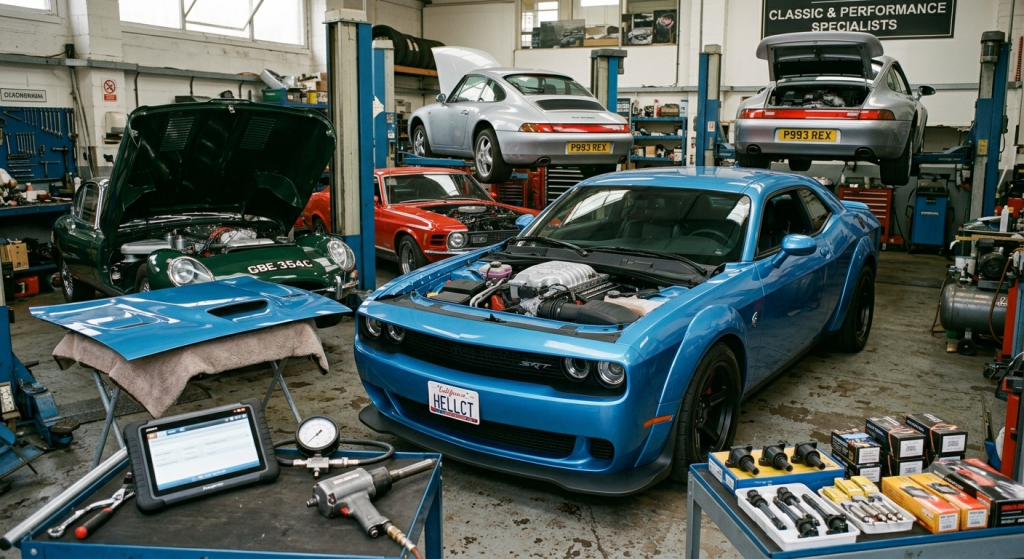
We’ve all been there: that little sticker in the top corner of your windshield catches your eye, reminding you that you’re 500 miles past due for an oil change. It’s easy to brush off. After all, the car is still running fine, right?While skipping an oil change here and there might seem like a harmless way to save a few bucks and a Saturday morning, it’s one of the riskiest gambles you can take with your vehicle. Engine oil is quite literally the lifeblood of your car.Here is a breakdown of why getting regular oil changes is the single best thing you can do for your vehicle's health, longevity, and your wallet.
1. Keeps Engine Components LubricatedImagine all the metal parts inside your engine—pistons, valves, and camshafts—moving at incredibly high speeds. Without proper lubrication, these parts would grind against each other, creating catastrophic friction.Fresh oil provides a slick, protective barrier that allows these components to glide smoothly. Over time, oil breaks down and loses its viscosity (its ability to flow and coat). When this happens, friction increases, leading to severe and rapid engine wear.
2. Cools Engine ComponentsYou probably know that your car has a radiator and coolant to keep it from overheating. But did you know your oil plays a massive role in cooling, too?The friction caused by moving metal parts generates an immense amount of heat. Because oil lubricates these parts and reduces that friction, it actively prevents the engine from running too hot. Old, degraded oil can't do this job effectively, making your engine much more susceptible to overheating.
3. Removes Engine Wear Particles and SludgeAs oil circulates through your engine, it acts like a microscopic garbage truck. It picks up dirt, dust, and tiny metal shavings, carrying them to the oil filter.However, over time, the oil becomes saturated with this debris and begins to turn into a thick, dark, gel-like substance known as engine sludge.The Danger of Sludge: Sludge clogs the engine's oil passages, starving critical components of lubrication. Regular oil and filter changes ensure that this harmful dirt is drained away before it can build up.
4. Improves Gas MileageIf you want to save money at the pump, stay on top of your oil changes.When your engine is forced to work with old, gritty oil, the internal friction increases. Your engine has to work harder just to perform basic functions, which means it requires more fuel to produce the same amount of power. Clean oil ensures your engine runs as efficiently as possible, translating directly to better miles per gallon (MPG).
5. Extends Vehicle LongevityVehicles are massive financial investments. If you want yours to last for 150,000, 200,000, or even 300,000 miles, routine maintenance is the only way to get there.A well-lubricated, clean, and cool engine is a happy engine. By simply keeping up with your oil changes, you are protecting your car from premature death and saving yourself from having to buy a replacement vehicle sooner than necessary.6. Protects the Environment (and Helps You Pass Emissions)Dirty oil burns less cleanly than fresh oil. As oil gets old, it releases more noxious gases and hydrocarbons into the environment. If you live in a state that requires regular emissions testing, running on dirty oil could actually cause you to fail the test.
Fresh oil helps your engine run cleaner, reducing your vehicle's carbon footprint.How Often Should You Change Your Oil?The old rule of thumb was "every 3,000 miles or 3 months." However, automotive technology and oil chemistry have advanced significantly.Pro Tip: Always check your owner's manual. Most modern cars using synthetic oil can safely go anywhere from 5,000 to 10,000 miles between changes.The Bottom LineAn oil change is one of the cheapest and quickest routine maintenance tasks you can perform on a vehicle, typically costing between $50 and $100. Compared to the cost of replacing a seized engine—which can easily run upwards of $4,000 to $7,000—a routine oil change is the ultimate automotive insurance policy. Treat your engine right, and it will return the favor for years to come.